 Wawa-news.com Local and Regional News
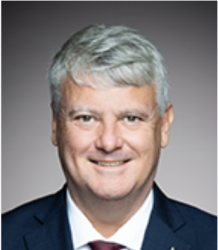
Terry Sheehan, MP for Sault Ste. Marie—Algoma, announced more than $11.4 million from the Emergency Treatment Fund (ETF) for 8 projects across Ontario, on behalf of the Honourable Marjorie Michel, Minister of Health.
Through the ETF, the Government of Canada helps municipalities and First Nations, Inuit, and Métis communities address urgent needs related to the illegal drug crisis. The ETF supports treatment and recovery, as well as prevention and harm reduction services. It funds projects that address immediate needs, as identified by the communities to support local capacity and provide access to culturally-relevant, trauma-informed and evidence-based programs and services.
The funding announced today includes over $3.6 million for Maamwesying North Shore Community Health Services, which provides health services to communities throughout the Algoma region. The funding will help to address the fatal risks associated with opioid use disorder while decreasing barriers to care for indigenous communities where these risks are highest, in urban Sault Ste. Marie and in the First Nations along the North Shore of Lake Huron.
This local funding includes over $3.5 million from the ETF recently announced for the City of Sault Ste. Marie’s Outreach and Wellness Response Team, for a dedicated 24/7 community outreach team providing low-barrier access to medical, mental health, addiction, harm reduction, and housing support for vulnerable populations. This bring the funding for the riding of Sault Ste. Marie–Algoma to almost $7.2 million.
Additional funds are also being provided to the cities of Thunder Bay and Orillia, the Kenora Chiefs Advisory Inc., and the Manitoulin Island-based Wiidookaage Waabandan, Wikwemikong Unceded lndian Reserve, and Ngwaagan Gamig Recovery Centre.
“Like the rest of the country, Ontario has experienced much hardship and loss because of the illegal drug crisis. This emergency funding is supporting several organizations, Indigenous communities, and municipalities across our province to address their urgent needs related to substance use and addictions, including life saving measures, treatment, and outreach.” – Terry Sheehan, Member of Parliament for Sault Ste. Marie—Algoma
“If we want a stronger Canada—one where every community has the chance to thrive—we must confront the illegal drug crisis together. That starts with ensuring communities have the resources they need to support people in ways that reflect their lived realities. The organizations receiving funding today provide a range of urgent, immediate health services, social supports, and cultural programming that save lives in their communities.” – The Honourable Marjorie Michel, Minister of Health
Pathways to Health: Mobile Harm Reduction Outreach for Safer Communities in Thunder Bay
Recipient: The Corporation of the City of Thunder Bay
Contribution agreement total: $237,960
This initiative will address the pressing health and housing needs of individuals experiencing unsheltered homelessness and the toxic drug crisis in Thunder Bay, ON. The project will provide harm reduction services through mobile outreach, offering naloxone distribution, and support for those in encampments and the Temporary Village Initiative. It will also enhance encampment response efforts by providing resources for sanitation, relationship-building, and connecting individuals to health service and other community supports.
Kii Daanaandwengwan (The Earth is Healing Me)
Recipient: Naandwechige-Gamig Wiikwemkoong Health Centre
Contribution agreement total: $866,099
This project aims to hire a land-based healing program coordinator to lead the development and implementation of a healing program focused on connecting community members to culture and the land, helping them overcome substance use. The initiative will include hiring an addictions case manager, purchasing necessary equipment for the program, and creating culturally relevant resources like case management models and naloxone training videos.
ENAGB Indigenous Youth Addressing the Overdose Crisis
Recipient: Eshkiniigjik Naandwechigegamig, Aabiish Gaa Binjibaaying – ENAGB Youth Program
Contribution agreement total: $2,445,280
This project targets Indigenous Youth between 12 – 29 yrs of age in both Toronto and Thunder Bay. Funding will be allocated to staff Harm Reduction Managers and Outreach Workers, Mental Health and Addictions Counsellors and Program Coordinator Assistants at existing ENAGB locations. As well, daily visits will be made by staff throughout each city’s encampments, and low income housing areas to provide immediate access to naloxone kits, and harm reduction supplies either by pick up or drop off and staff will promote their locations where youth can access programming and services throughout the week.
Pretreatment Transition Home
Recipient: Ngwaagan Gamig Recovery Centre Inc.
Contribution agreement total: $969,335
To improve timely access to addiction treatment supports, this project proposes to operate a currently vacant, fully equipped six-bed residential Pretreatment Transition Home situated within the Ngwaagan Gamig Recovery Centre Inc. The home will provide individuals struggling with addiction with a safe and supportive environment for up to five weeks before beginning formal residential treatment. By offering early-stage support in a familiar and accessible setting, the project aims to reduce the risk of relapse and other barriers that often lead to treatment program cancellations or no-shows. This direct service addresses the urgent need for early intervention and aftercare along the continuum of addiction care, helping clients begin their recovery journey with greater stability and continuity.
Outreach and Peer Support
Recipient: Corporation of the City of Timmins
Contribution agreement total: $693,434
This initiative aims to strengthen outreach capacity by hiring dedicated outreach and peer support workers to deliver life-saving assistance and connect individuals in crisis to essential care pathways. Outreach workers will provide community education on available supports, help clients navigate the healthcare system following a crisis, and link them to existing services such as withdrawal management and blood-borne infection services, to enhance the prevention, management, and treatment of blood-borne infections within the community.
Healing and Recovery Space
Recipient: Kenora District Services Board
Contribution agreement total: $2,738,029
The project aims to urgently address the growing need for emergency shelter, substance use support, and culturally appropriate recovery services in response to rising homelessness and overdose rates in Sioux Lookout and surrounding areas. It will enhance the Sioux Lookout Emergency Shelter and Safe Sobering Site by hiring specialized staff, such as Integrated Community Case Managers, and expanding access to cultural and health resources. These will include on-the-land healing workshops, traditional ceremonies, and other Indigenous-led spiritual support sessions. The shelter will undergo retrofits to increase its capacity and create designated spaces for harm reduction and cultural programming. These upgrades will include areas for land-based learning, a kitchen for meal preparation, enhanced safety measures, and dedicated cultural spaces such as a sacred fire area. Together, these improvements will help meet the growing demand for emergency shelter services and ensure the delivery of comprehensive, immediate, and culturally appropriate care, along with clear pathways to recovery.
- Sheehan announces funds responding to urgent substance use & addictions needs across Ontario - February 19, 2026
- Ships build under National Shipbuilding Strategy to use Algoma Steel - February 5, 2026
- Canada investing in Sault Ste. Marie deep water port development - December 18, 2025